Why a Used Car Inspection Is Essential
Buying a used car without inspecting it is like buying a house without going inside. Every year, thousands of buyers discover problems after completing their purchase that could have been avoided with a little due diligence. Some cost a few hundred euros to repair, while others can cost thousands.
A comprehensive inspection does not need to be complicated or expensive. This guide explains exactly what to check — even if you are not a mechanic — and when you should seek professional assistance.
10 Essential Checks When Inspecting a Used Car
1. Vehicle History and VIN Check
Before viewing the car in person, check its Vehicle Identification Number (VIN) online. Services such as carVertical or CARFAX can provide information about recorded insurance claims, mileage discrepancies, countries in which the vehicle has been registered and possible legal or financial restrictions.
The VIN can usually be found at the bottom of the windscreen on the driver’s side, inside the engine compartment and on the vehicle’s registration documents. Make sure the number is identical in every location.
→ Check the vehicle’s history online: carVertical VIN Check
2. Exterior Bodywork Condition
Inspecting the bodywork does not necessarily require specialist knowledge — it simply requires careful attention. Stand beside the car and look along the side panels. Uneven surfaces, ripples or variations in the paintwork may indicate repairs following an accident. You can also use your mobile phone’s flashlight to highlight imperfections that may not be immediately visible.
Pay particular attention to the gaps between the doors, wings and bonnet. If the gaps are uneven or a door is difficult to open, the vehicle may have been realigned or repaired following an accident.
3. Engine Condition
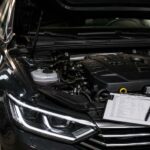
Open the bonnet while the engine is cold, before it has been started. Look for signs of fluid leaks around the engine, including oil, coolant or brake fluid. Check the oil level and condition. Dark oil can be normal, but oil that smells burnt or contains signs of water contamination is a cause for concern.
Start the engine and listen carefully. It should start promptly, without unusual knocking, grinding or rattling noises and without excessive smoke. Blue smoke may indicate that the engine is burning oil. Persistent white smoke may indicate a coolant leak, while black smoke may point to an injection or combustion problem.
4. Mileage and Service History
Mileage alone does not tell the full story. A car with 150,000 km and a complete service history may be a much better choice than one with 80,000 km and no supporting documentation. Always ask to see the service book, maintenance invoices and receipts for parts and repairs.
To understand what mileage may be considered acceptable, read: How Many Kilometres Are Considered Good for a Used Car? →
5. Electronic Diagnostic Check (OBD)
Most cars manufactured from 2001 onwards are equipped with an OBD2 diagnostic port, usually located beneath the steering wheel. A basic OBD scanner, typically costing between €15 and €30 and often compatible with a mobile phone, can be used to identify stored fault codes.
A result with no active fault codes is a positive sign. However, fault codes do not automatically mean that the car has a serious problem — they should be investigated and assessed properly.
6. Brakes and Suspension
During the test drive, check the brakes at a low speed. The car should slow down smoothly and evenly without pulling to the left or right. Grinding, squealing or rattling noises may indicate that the brake pads or discs require replacement.
To assess the suspension, drive over an uneven road and listen for knocking noises. You can also press down firmly on each corner of the car and release it. If the car continues to bounce more than once or twice, the shock absorbers may be worn.
7. Interior and Electrical Equipment
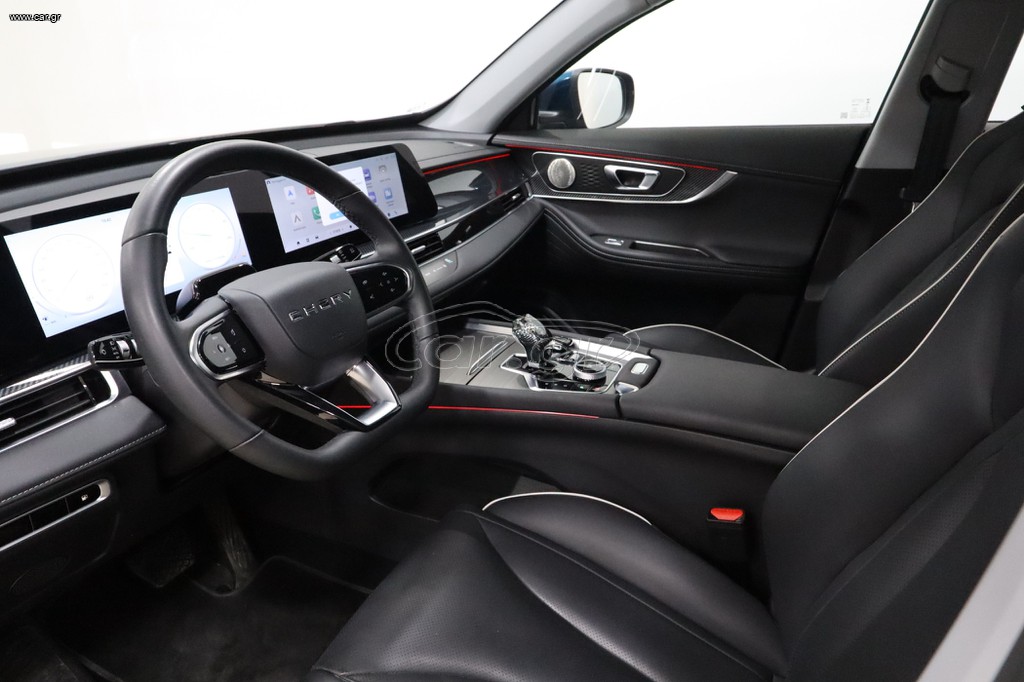
Test every button and function, including the air conditioning, heating, windows, locks, audio system, heated seats, display, lights and mirrors. Electrical faults can be expensive to repair and are often underestimated by buyers.
Also check the smell inside the vehicle. A damp or mouldy odour may indicate previous flood damage, water ingress or ongoing moisture problems.
8. Tyre Condition
Tyres are not inexpensive, and a set of quality tyres may cost between €400 and €800. Check that each tyre is wearing evenly. Uneven wear, particularly around the edges or centre, may indicate incorrect tyre pressure, suspension problems or poor wheel alignment.
Ideally, all four tyres should be from the same manufacturer and model, or at least be of the same specification and type.
9. Documents and Legal Status
Before entering into any agreement, check that the vehicle has a valid KTEO roadworthiness certificate, valid insurance documentation and the correct registration certificate. Confirm that the VIN shown on the documents matches the vehicle.
You should also investigate whether there are any outstanding fines, legal restrictions or other obligations connected to the vehicle.
→ Access public electronic services: gov.gr – Electronic Services
10. Test Drive
No inspection can fully replace a proper test drive. Drive the car under different conditions, including urban roads, open roads, low speeds and stronger acceleration.
Pay attention to steering-wheel vibration at higher speeds, which may indicate wheel-balancing issues, gear changes that are not smooth, pulling to one side and any unusual noises.
When to Seek Professional Assistance
If you are uncertain about any aspect of the vehicle or it is a high-value purchase, ask an independent mechanic to inspect it. A comprehensive professional inspection may cost approximately €80–€150 and could help you avoid thousands of euros in future repairs.
🔗 See also: Request a vehicle inspection from Besikos Cars →
Used Car Inspection
A pre-purchase inspection is not a luxury — it is essential. By following these ten checks, you will have the information you need to make a more informed decision. When you purchase from Besikos Cars, every vehicle has already undergone a detailed inspection, and the relevant documentation is available.
🔗 See also: View the cars in our inventory →